Opportunities and Challenges Go Hand in Hand
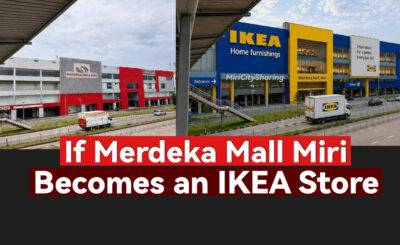
If IKEA were to open a store in Miri, it would be a major milestone not only for the city but also for Northern Sarawak. As one of the world’s most recognized furniture and home furnishing brands, IKEA does far more than sell furniture—it often becomes a catalyst for economic activity, consumer spending, and urban development.
However, like any major investment, it would bring both benefits and challenges.
⸻
1. Positive Impacts: Boosting Consumer Activity and Business Growth
Attracting Shoppers from Across the Region
Today, residents of Northern Sarawak who want to shop at IKEA usually need to travel to:
• Kuala Lumpur
• Penang
• Johor Bahru
• Potentially Kuching in the future
If IKEA were available in Miri:
• Residents could save time and travel costs
• Consumers from Miri, Bintulu, Sibu, Limbang, and surrounding areas could shop locally
• It could also attract customers from Brunei
Weekend visitor numbers would likely increase significantly.
⸻
Bringing More Bruneian Spending into Miri
Brunei has a relatively high purchasing power compared to many neighboring regions.
Many Bruneians already visit Miri for:
• Shopping
• Dining
• Entertainment
An IKEA store could become a new attraction, encouraging:
• More cross-border shopping trips
• Higher family spending
• Increased traffic to nearby commercial areas
This would be a major boost for the local retail sector.
⸻
Creating New Jobs
A large IKEA store typically requires:
• Retail staff
• Warehouse personnel
• Logistics workers
• Restaurant employees
• Administrative and management teams
Beyond direct employment, other industries could benefit:
• Transportation services
• Renovation and interior design businesses
• Furniture assembly services
• Cleaning and security services
This could create hundreds of employment opportunities.
⸻
Enhancing Miri’s Reputation
The arrival of a global brand such as IKEA could:
• Increase Miri’s visibility on the regional map
• Strengthen investor confidence
• Improve the city’s reputation as a commercial hub
It could also encourage other international brands to consider investing in Miri.
⸻
Supporting Nearby Businesses
Visitors rarely go to IKEA for furniture alone.
Many also:
• Dine at restaurants
• Visit nearby shops
• Stay overnight in hotels
As a result, businesses that could benefit include:
• Shopping malls
• Restaurants and cafés
• Hotels
• Service providers
The economic impact would extend beyond IKEA itself.
⸻
2. Potential Challenges
Stronger Competition for Local Furniture Stores
One of IKEA’s key strengths is its combination of:
• Competitive pricing
• Wide product selection
• Strong brand recognition
This could create pressure on smaller local furniture retailers.
Businesses that fail to differentiate themselves through:
• Custom-made products
• Personalized service
• Higher-quality offerings
may find it harder to compete.
⸻
Increased Traffic and Infrastructure Pressure
A major IKEA outlet could bring:
• More vehicles on the road
• Parking shortages during peak periods
• Increased congestion on surrounding roads
This may require infrastructure upgrades and improved traffic planning.
⸻
Consumer Spending Becoming More Concentrated
As shoppers gravitate toward a large destination retailer:
• Smaller businesses could experience reduced foot traffic
• Shopping habits may change
• Commercial activity could become concentrated around a single area
This is a challenge often seen when large international retailers enter smaller markets.
⸻
3. Impact on Property and Urban Development
Rising Property Values
Large-scale investments often increase demand for nearby properties.
Possible effects include:
• Higher commercial property values
• Increased shop rental rates
• Greater demand for residential housing
Investors may begin acquiring land and property in anticipation of future growth.
⸻
Encouraging New Commercial Development
If IKEA were built in a developing area:
• New housing projects could emerge
• Additional retail outlets may follow
• New business districts could form
The surrounding area could eventually become a secondary commercial center for the city.
⸻
4. The Big Question: Is the Market Large Enough?
While many people would love to see IKEA in Miri, there are practical considerations.
Population Size
IKEA stores generally require a large customer base.
Key questions include:
• Is Miri’s population sufficient?
• Can Northern Sarawak generate enough demand?
• Will Bruneian shoppers contribute enough sales volume?
These factors would heavily influence IKEA’s decision.
⸻
Logistics and Supply Chain Costs
Miri’s location in Northern Sarawak presents logistical challenges.
Operating a large IKEA store would require:
• Extensive warehousing facilities
• Reliable transportation networks
• Efficient supply chain management
These costs could be higher than in larger Malaysian cities.
⸻
Conclusion
If IKEA were to open in Miri, the benefits could extend far beyond furniture shopping.
From job creation and increased investment to stronger retail activity and greater attraction for Bruneian consumers, IKEA could become a significant economic driver for the city.
At the same time, challenges such as increased competition, traffic congestion, and questions about market size would need to be addressed.
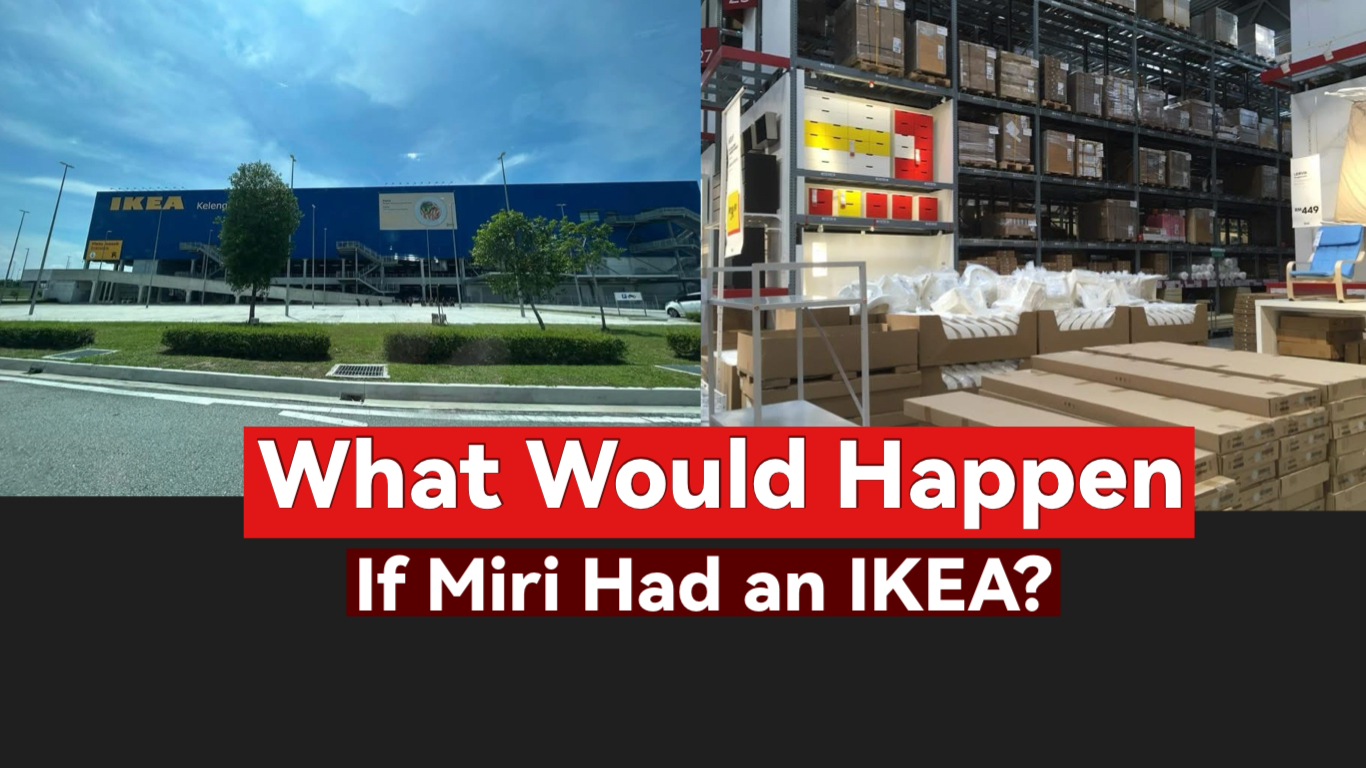
Ultimately, an IKEA in Miri would represent more than just a furniture store—it could signal Miri’s evolution into a stronger regional commercial destination.
What do you think? Would an IKEA in Miri transform the city, or would the market simply be too small to support it?