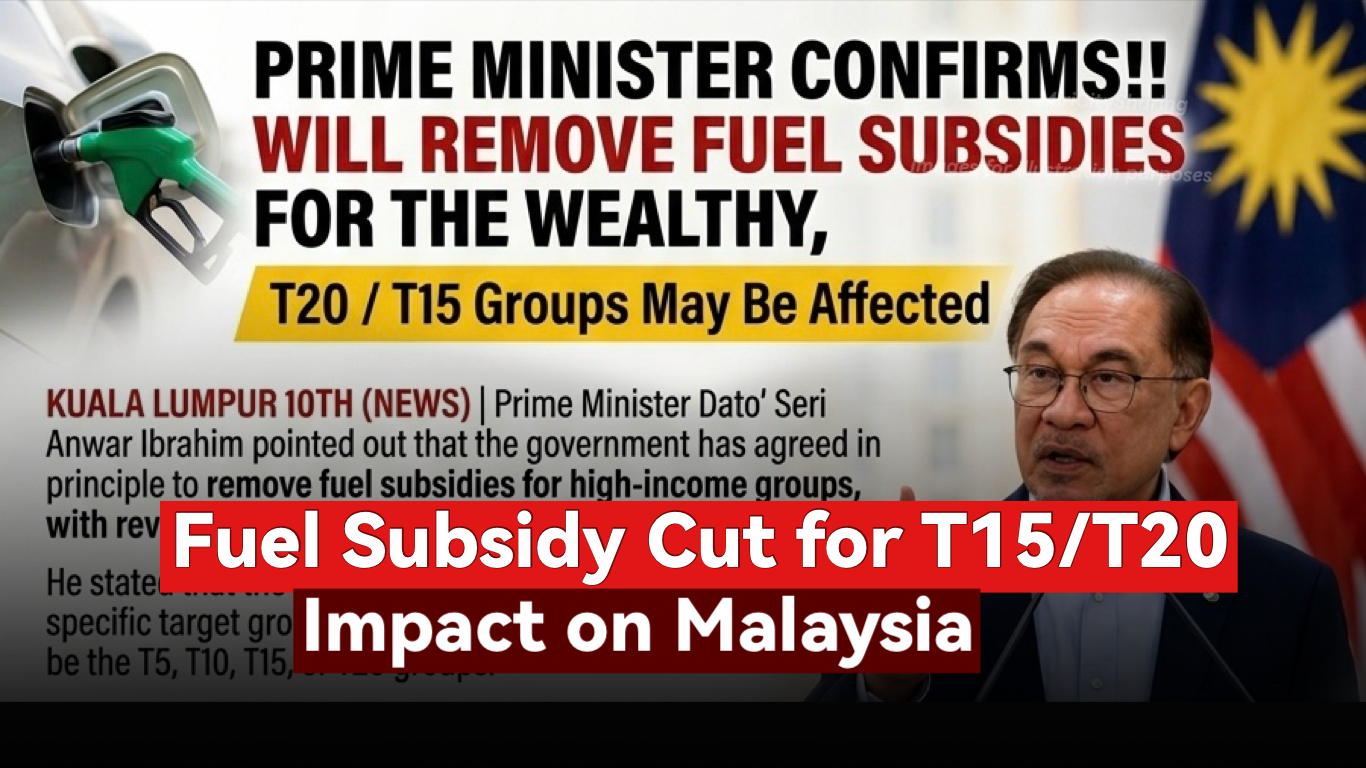
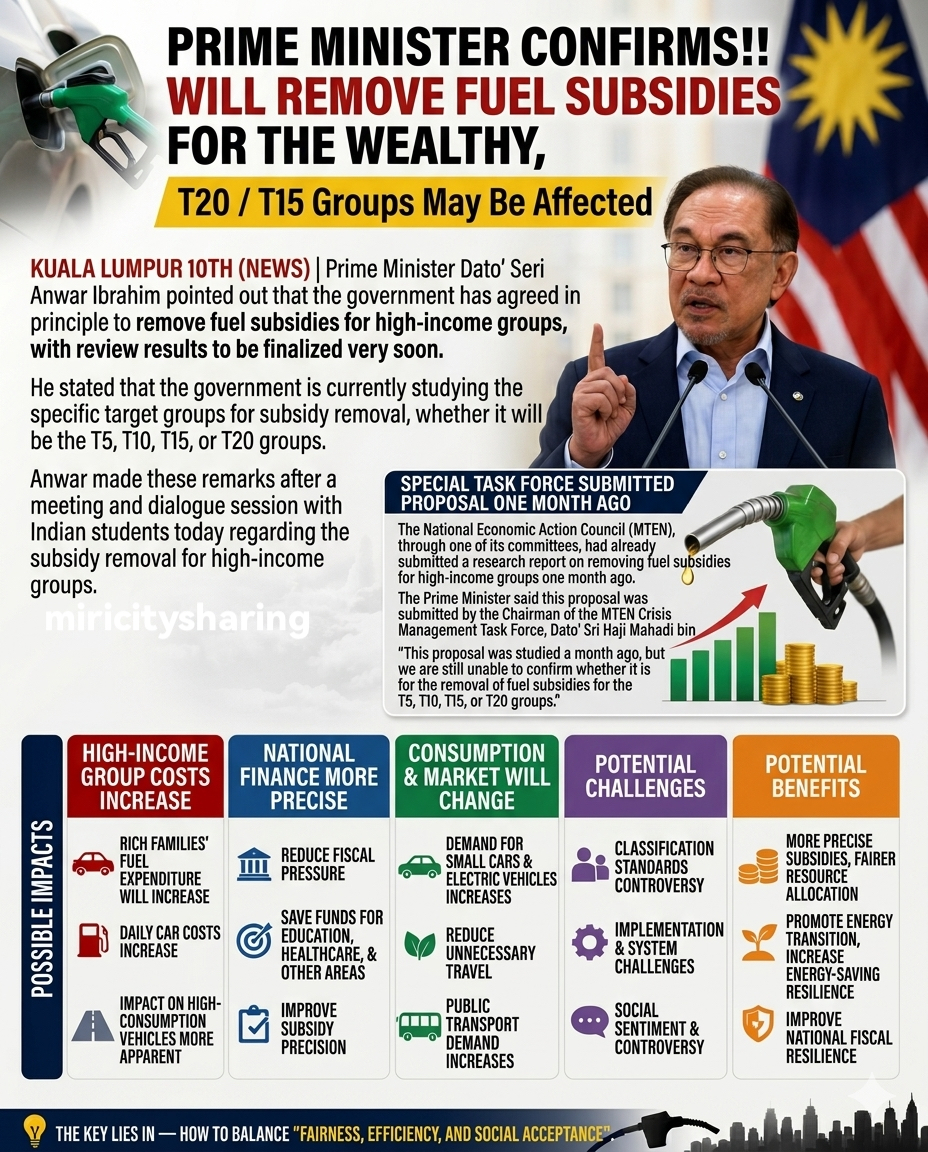
Prime Minister confirms cancellation of fuel subsidies for the wealthy
T20 / T15 groups will be affected
⸻
If fuel subsidies for the wealthy are removed, how will it affect Malaysia?
Opportunities and challenges go hand in hand
From a policy perspective, Prime Minister Datuk Seri Anwar Ibrahim has recently indicated that the government has, in principle, agreed to review and remove fuel subsidies for high-income groups. This is not just a fiscal adjustment, but a move that could reshape consumption patterns and lifestyles across society.
⸻
1. Impact: More targeted fiscal spending, but certain groups affected
Higher-income groups (T15 / T20) face increased costs
The government is currently assessing the target groups, including:
• T5
• T10
• T15
• T20
If implemented, the most direct impact would be:
• Higher fuel expenses for wealthy households
• Increased daily vehicle running costs (fuel cost increase)
• Greater impact on high fuel-consumption vehicles
Especially for:
• Multi-car households
• High engine capacity vehicle owners
• Long-distance commuters
⸻
Reduced national subsidy burden
Fuel subsidies have long been a major component of government spending:
• Reduced fiscal pressure
• More funds redirected to education and healthcare
• Improved subsidy targeting efficiency
From the government’s perspective, this is part of a broader structural reform.
⸻
Possible psychological impact on cost of living
Even if only high-income groups are affected, it may still lead to:
• Higher sensitivity to prices
• Businesses re-evaluating transport costs
• Indirect influence on service pricing
⸻
2. Market and economic impact
Changes in vehicle and fuel consumption patterns
Possible outcomes:
• Increased demand for smaller cars
• Faster adoption of electric vehicles (EV shift)
• Reduction in unnecessary travel
⸻
Adjustments in middle- and upper-income consumption
T20 / T15 groups may:
• Be more cost-conscious
• Reduce non-essential driving
• Shift to more fuel-efficient transport options
⸻
Expanded fiscal space for the government
If subsidy savings are achieved:
• More investment in infrastructure
• Improved public transportation
• Stronger support for lower-income groups
⸻
3. Challenges: implementation and public response
Controversy over classification
Key issues include:
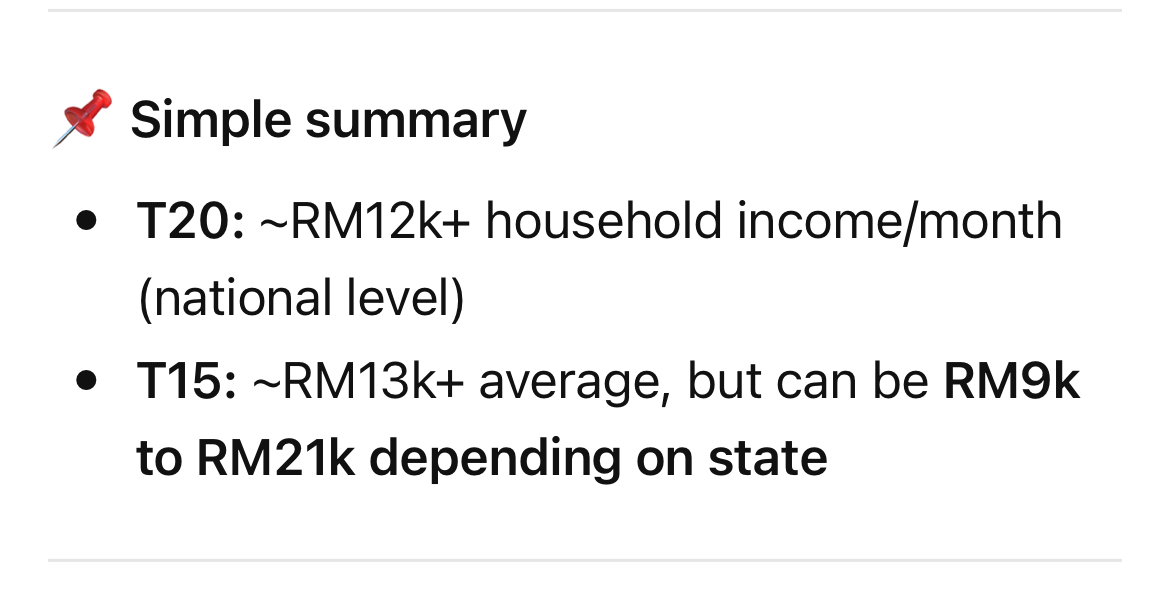
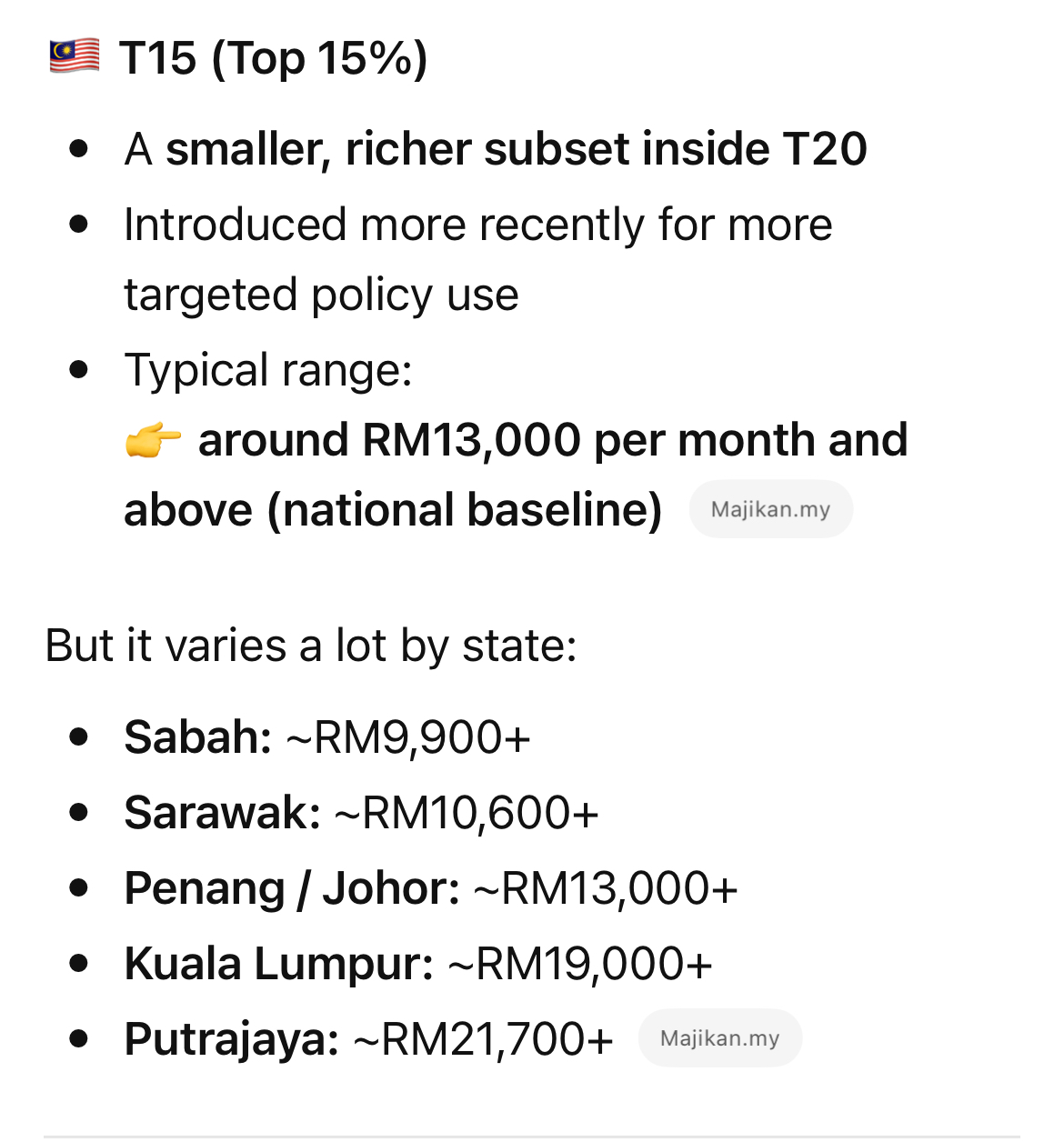
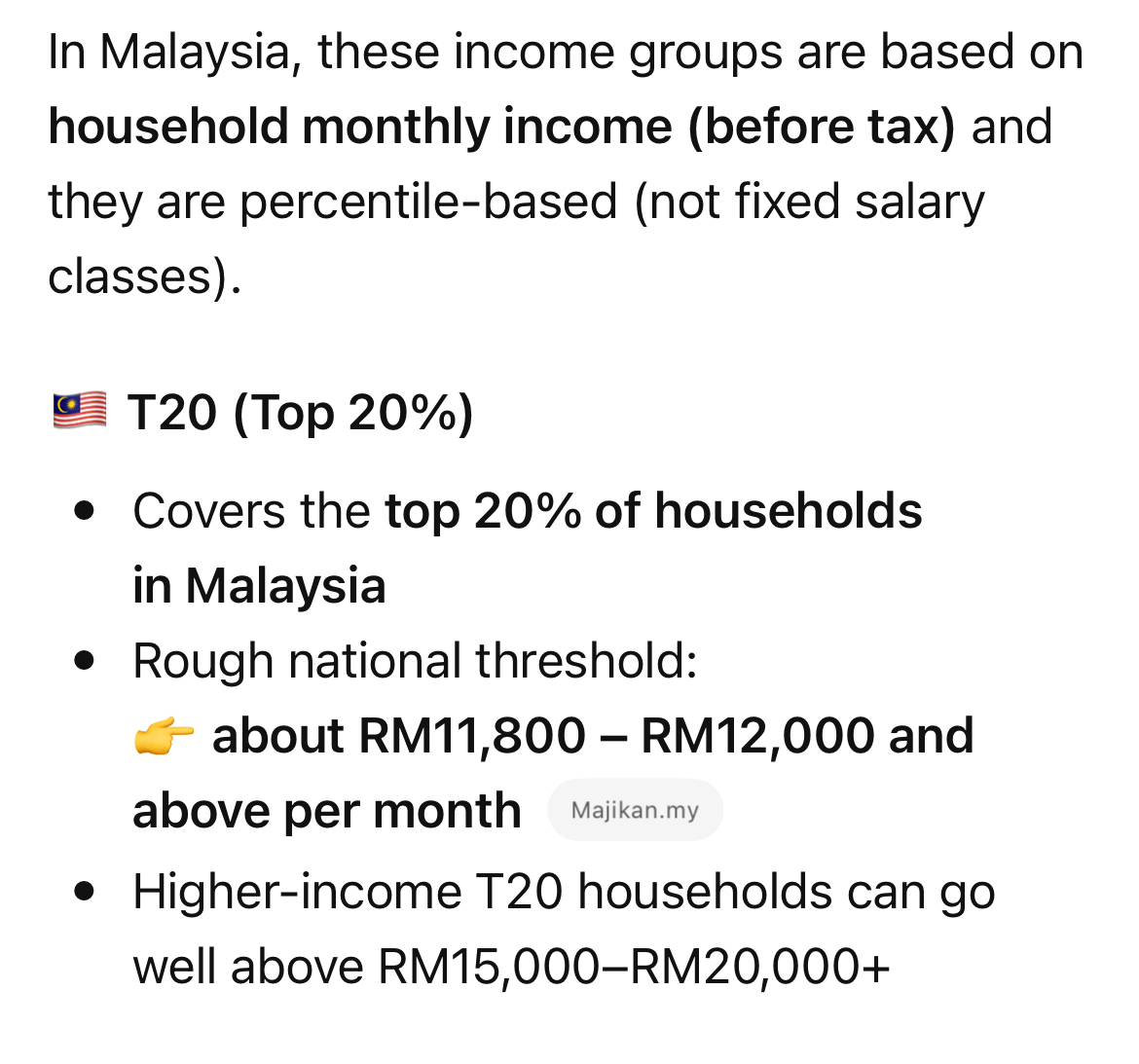
• How T15 vs T20 is defined
• Whether income thresholds are fair
• Urban vs rural disparities
⸻
Implementation complexity
• Requires detailed income data systems
• May involve subsidy cards or identity-based mechanisms
• Risk of “mis-targeting” the middle class
⸻
Public sentiment and debate
Even if targeted at the wealthy, concerns may still arise:
• Rising discussions on cost of living
• Debates on fairness of the policy
• Differences in perception across income groups
⸻
4. Potential benefits: more equitable resource allocation
More precise subsidies
Reduces the “one-size-fits-all” approach, allowing resources to focus on:
• B40 low-income households
• Families in need
• Specific sectoral support
⸻
Healthier economic structure
In the long term:
• Reduced fiscal wastage
• Stronger national financial resilience
• Encouragement of energy efficiency and emission reduction
⸻
Support for energy transition
• Faster EV adoption
• Increased reliance on public transport
• Reduced dependency on fossil fuels
⸻
Conclusion
Removing fuel subsidies for high-income groups is not just a cost-cutting measure — it represents a broader adjustment in Malaysia’s fiscal structure.
On one hand:
T15 / T20 may face higher costs and changes in consumption habits
On the other hand:
The government may gain stronger fiscal health, more targeted resource distribution, and potentially accelerate energy transition.
The key question remains:
How can the balance between fairness, efficiency, and public acceptance be achieved?
If this is implemented, do you think it would be a good policy — or would it still affect the daily rhythm of the middle class?